When Your Aging Parent Refuses Help (And What to Do Instead)
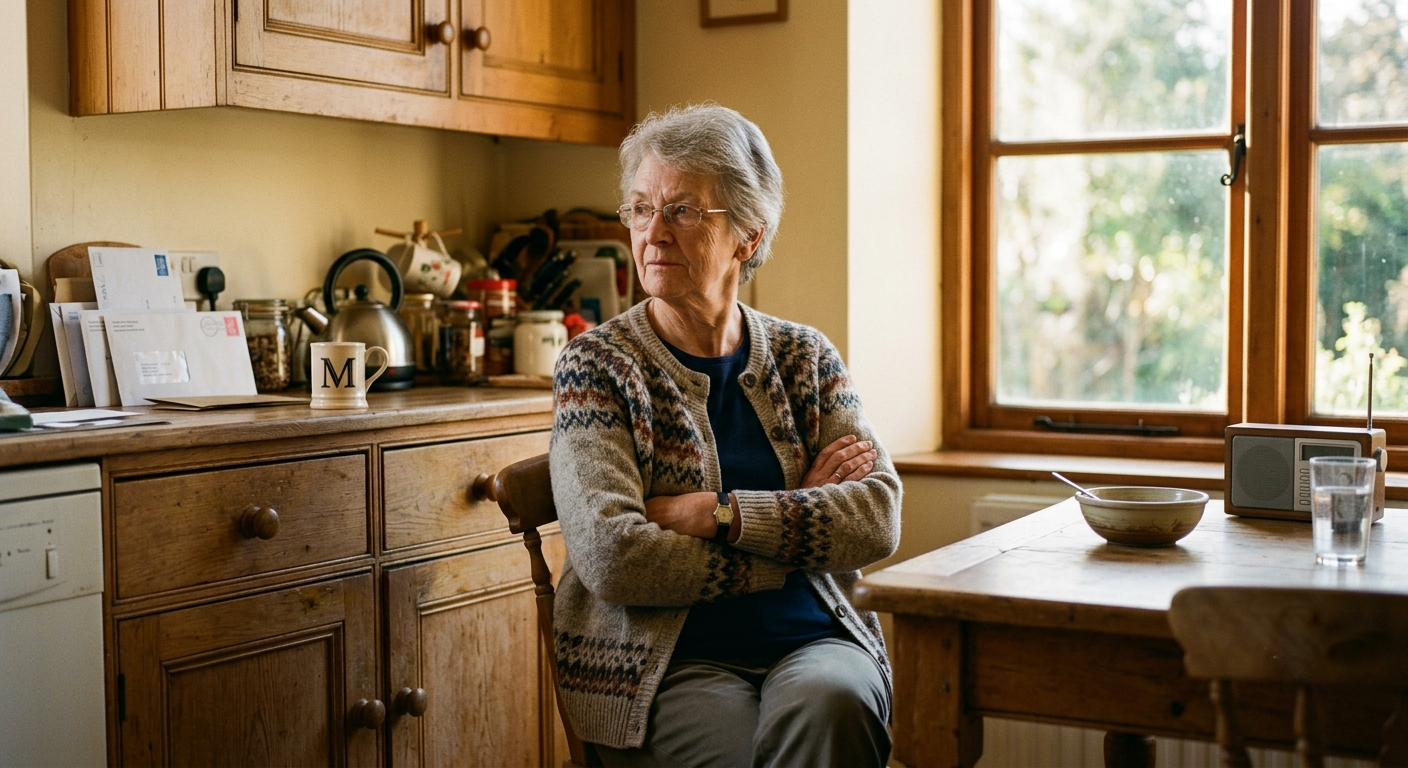
You can see it clearly. The fridge is almost empty. She’s moving more slowly than last year. She hasn’t mentioned her friends in months. You’ve offered to arrange help — a cleaner, a meal delivery service, someone to check in — and every time, the answer is some version of “I’m fine. I don’t need that.”
You’re not imagining it. And you’re not being pushy. You’re watching someone you love struggle with something she won’t name, and feeling completely stuck.
This article is about why that happens — and what actually works.
Why aging parents refuse help — the real reasons
Before you can change the outcome, you need to understand what’s actually driving the refusal. It’s rarely about being stubborn. More often, it’s one of these:
The most important thing to understand: refusing help is rarely about the help itself. It’s about what accepting help means to her — the story she tells herself about who she is and what she can still do.
The hardest part for adult children: You’re trying to solve a practical problem. She’s trying to protect her identity. Until you address the second thing, the first conversation will keep failing.
What NOT to say (and why it backfires)
Most well-meaning attempts make the situation worse. Here’s what to avoid:
Positions her as a problem to be solved. Triggers defensiveness. She’ll reassure you to end the conversation, not because things are fine.
Direct challenge to her independence. Even if it’s true, saying it out loud guarantees resistance. She’ll dig in to prove you wrong.
Makes her feel ganged up on. Creates the us-vs-her dynamic that poisons future conversations for months.
Appeals to fear, which is real, but it makes her feel guilty rather than heard. Guilt produces compliance, not genuine engagement — and it erodes trust.
6 approaches that actually work
These aren’t manipulation tactics. They’re ways to have the conversation she can actually hear.
Instead of proposing solutions, ask questions. “What part of the week feels hardest right now?” or “Is there anything you used to do that’s gotten more difficult?” Let her name the problem herself. She’s far more likely to accept a solution to a problem she defined than one you handed her.
“Mom, it would honestly make me feel so much better if someone was checking in. Would you do that for me?” Shifting the frame from her need to your peace of mind removes the shame from accepting. She’s not being helped — she’s helping you.
Don’t start with a caregiver. Start with something that doesn’t look like care — a grocery delivery app, a meal kit she “helps evaluate,” a weekly letter from someone she genuinely looks forward to. Build trust and routine before introducing anything that feels like surveillance or admission of need.
“Just try it for a month and see if you like it. If not, we stop.” Permanent arrangements feel like surrendering. A trial feels like staying in control. Many parents who resist forever eventually keep the arrangement — once they’ve had a chance to decide it was their idea.
Don’t arrange help and present it as a fait accompli. Bring her into every step: “I found three options — can you tell me which one sounds least awful?” Autonomy over the choice makes accepting it much easier.
Sometimes the most powerful thing you can do is say: “I hear you. We don’t have to decide anything now. I just wanted you to know I’m thinking about it because I love you.” Then actually wait. Seeds take time. A parent who said no last month sometimes says yes next month — because she had time to sit with it on her own terms.
Want to know how she’s actually doing — not just what she tells you on Sunday calls?
See how FamilyRapport worksOr get the free conversation guide first
When refusal becomes a safety concern
Most of the time, a parent refusing help is frustrating but not urgent. But there are situations where the refusal itself is the emergency:
- She’s refusing medical care for a condition she needs treated
- She’s showing signs of cognitive decline that affect safety judgments
- There are hazards in the home she won’t acknowledge (falls risk, medication errors)
- She’s becoming isolated to a degree that’s affecting her mental health
In these cases, the gentle approach may not be enough. If you genuinely believe she’s at risk, involve her GP, a geriatric care manager, or a social worker who can do an independent assessment. You don’t have to be the only one carrying this.
One more thing to remember: Her refusal is often love in disguise. She doesn’t want to worry you. She doesn’t want to be a burden. She’s trying to protect the same relationship you’re trying to protect — just from the other side. Keep that in mind when the conversations get hard.
If you’re looking for more ways to break through the “I’m fine” wall, read our piece on how to check on elderly parents living alone, or our piece on how to know if your aging parent is lonely when they won’t tell you.
Related articles
5 questions that get past “I’m fine”
The exact questions to ask your parent that bypass the rehearsed answer — and actually open the conversation. Used by 136 families.
Check your inbox — it’ll be there within a few hours.
Free · No spam · Unsubscribe anytime
← Back to all articles · Read: How to Know If Your Parent Is Lonely →
Also read: I Can’t Take Care of My Dad Anymore — what to do when you’ve reached your limit
Questions? Email us — a real person reads every email.
FamilyRapport provides emotional companionship and family connection services for aging adults. This article is for informational purposes and does not constitute medical or legal advice.